
Sustainable Practices in Material Handling and Automation
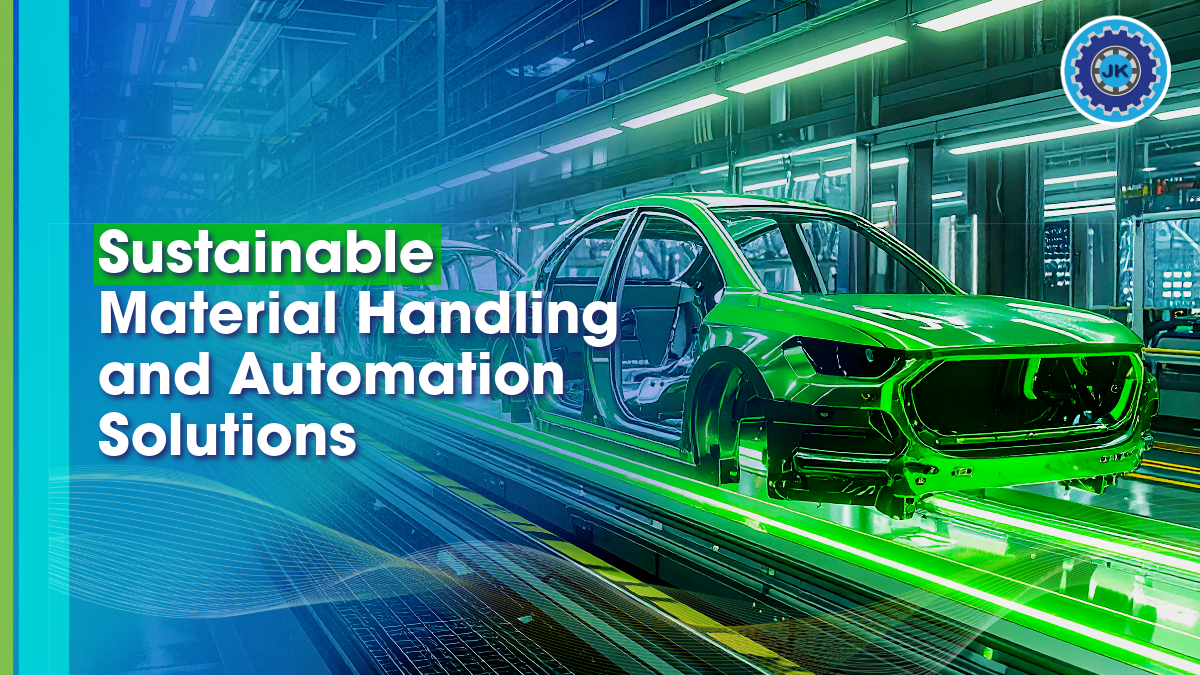
In today’s industrial landscape, businesses are no longer focused only on speed and productivity—sustainability has become a key priority. Companies are actively seeking ways to reduce environmental impact while maintaining operational efficiency. This is where sustainable material handling and material handling automation solutions play a crucial role.
Material handling systems are at the core of warehouses, manufacturing units, and distribution centers. From conveyors and storage systems to automated technologies, these solutions directly impact energy consumption, resource usage, and overall efficiency. By adopting sustainable practices, businesses can lower costs while contributing to a greener future.
Energy-Efficient Material Handling Systems
One of the most effective ways to improve sustainability is by investing in energy-efficient conveyor systems and advanced automation solutions. Modern systems are designed to consume less power without compromising performance.
Technologies like variable frequency drives (VFDs) help regulate motor speed based on actual load requirements, preventing unnecessary energy usage. This not only reduces electricity bills but also minimizes the carbon footprint of operations.
Smart System Design for Better Efficiency
A well-planned material handling layout is essential for sustainable operations. Optimized system design ensures smooth workflow, reduces travel time, and minimizes equipment strain.
Optimized Workflow Planning
By eliminating unnecessary movement and improving process flow, businesses can achieve higher efficiency with fewer resources.
Reduced Equipment Stress
A streamlined approach reduces wear and tear, leading to lower maintenance needs and longer equipment life.
Use of Eco-Friendly and Reusable Materials
Sustainability is not just about machines—it also includes the materials used in operations. Choosing reusable pallets, recyclable containers, and durable packaging materials supports eco-friendly material handling systems.
Waste Reduction
Reusable systems help minimize industrial waste and reduce dependency on single-use materials.
Circular Approach
A shift toward sustainable materials promotes reuse and long-term cost savings.
Automation for Accuracy and Waste Reduction
Automation plays a key role in minimizing errors and improving efficiency. Warehouse automation solutions ensure precise movement, storage, and tracking of goods.
Improved Accuracy
Automation reduces human errors, preventing product damage and losses.
Enhanced Safety
Less manual handling reduces workplace risks and improves safety conditions.
Preventive Maintenance for Sustainable Operations
Regular maintenance is essential for keeping systems efficient and sustainable. Poorly maintained equipment tends to consume more power and may lead to unexpected downtime.
Consistent Performance
Preventive maintenance ensures smooth and reliable operations.
Cost Savings
Timely servicing reduces repair costs and extends equipment lifespan, supporting industrial automation sustainability.
Leveraging Smart Technology and Data
Modern systems use smart sensors and monitoring tools to provide real-time insights into performance and energy usage.
Data-Driven Decisions
Businesses can identify inefficiencies and optimize operations quickly.
Continuous Improvement
Tracking performance helps maintain both productivity and sustainability over time.
Building a Sustainable Future with JK Systems
At JK Systems, the focus is on delivering innovative solutions that combine performance with responsibility. By integrating material handling automation with energy-efficient technologies and smart design, businesses can move toward a more sustainable future.
Conclusion
Sustainability in material handling is not about one big shift—it’s about making smarter decisions at every step. From sustainable material handling practices to warehouse automation solutions, each improvement contributes to a more efficient and environmentally responsible operation.
As industries continue to evolve, adopting industrial automation sustainability practices will be key to staying competitive while protecting the environment.
Contact: Call: 9890617195 / 7387154434
Email: sreedhar.m@jk-systems.in
Image Suggestion (SEO Optimized):
Image Name: sustainable-material-handling-system.jpg
Alt Tag: Sustainable material handling system with energy-efficient conveyor in warehouse
Clients


.png)
.png)


